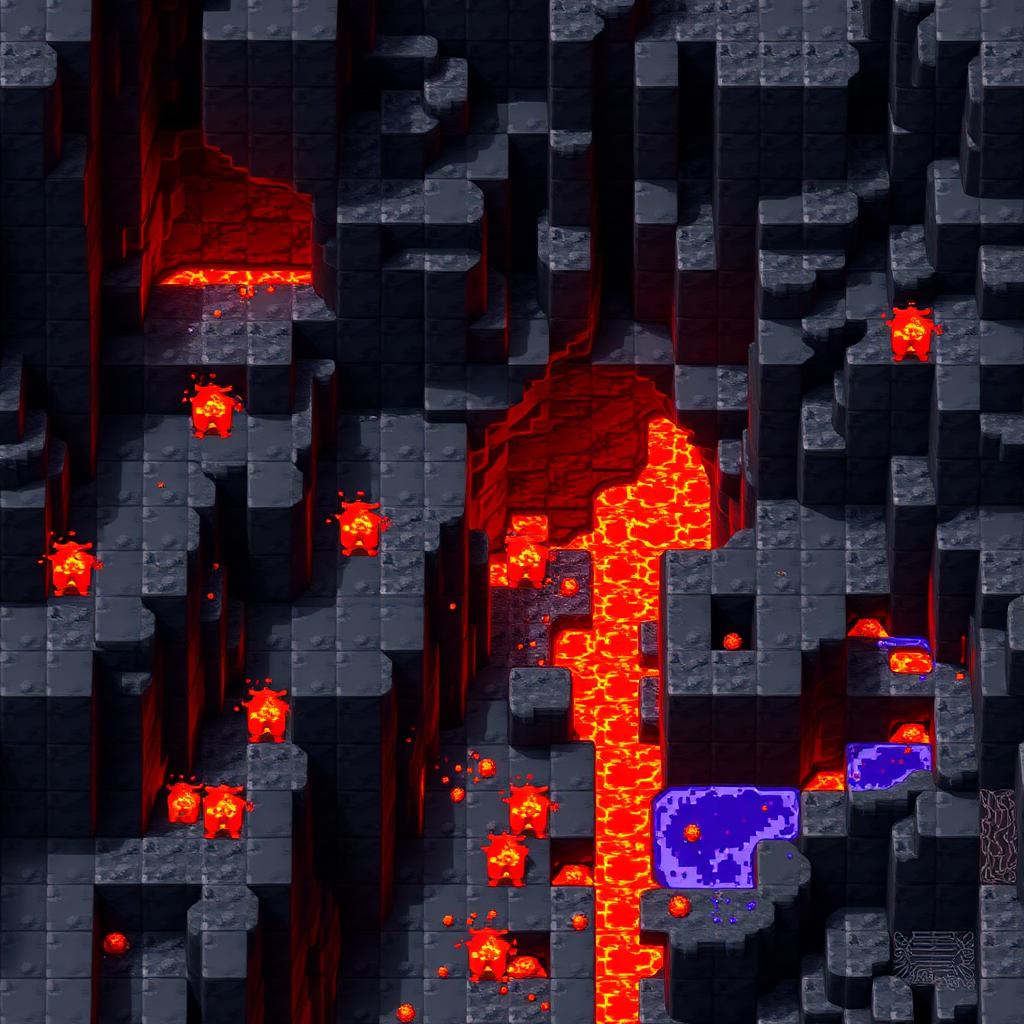
Basalt Deltas Safe Mining Routes
Introduction
Plan a Protected Route, Not Just a Bridge
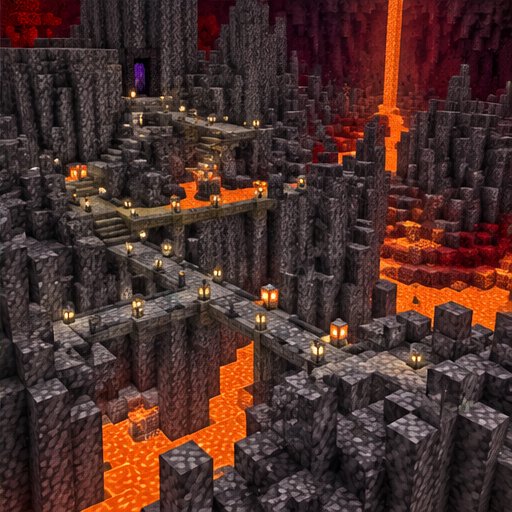
Basalt deltas combine steep basalt pillars, irregular blackstone patches, hidden lava pockets, and magma cubes that can knock you off narrow ledges. A useful mining route therefore needs more than a path across gaps: it needs protected crossings, recognizable junctions, safe mining access, and a clear retreat to your Nether portal. Start with one short corridor to a resource deposit, secure it, and extend only when the return trip is dependable.
This approach works in modern Java and Bedrock survival, although mob spawning details and some combat mechanics differ. Basalt deltas were introduced in version 1.16. Server plugins or altered spawning rules can change your results, so validate protection locally rather than assuming a standard design guarantees safety.
Materials and Preparation
Bring a pickaxe, a spare pickaxe, food, armor, a bow with arrows, and several stacks of nonflammable building blocks. Cobblestone is a practical choice for exposed construction because it is readily available and withstands ordinary ghast fireball explosions. Basalt and blackstone also suit permanent routes. Avoid relying on netherrack as an exposed protective shell: it breaks quickly and offers poor blast protection.
Prepare bottom slabs for finished walking surfaces, full blocks for walls and roofs, signs for directions, and torches for visibility. Torches do not prevent magma cubes from spawning. Bring Fire Resistance potions, preferably the eight-minute variant where available, and keep one on the hotbar. A brewing recipe makes Fire Resistance using magma cream in an awkward potion; redstone dust extends its duration.
Ender pearls are emergency tools, not substitutes for bridges. Their landing damage and uncertain trajectories make throws onto narrow pillars dangerous. Carry only what you can afford to lose, and leave replacement equipment, food, and building blocks near the portal. Water buckets cannot create ordinary water pools in the Nether, so do not plan a water-based fall rescue.
Build the Route in Controlled Sections
Step 1: Secure the portal approach. Enclose the immediate landing area with a nonflammable floor, walls, and roof, while preserving enough room to step away from the portal. Bring flint and steel in case the portal goes out. Mark the entrance clearly and record its coordinates if your world settings allow them. Never place a bed for sleeping in the Nether: attempting to sleep there causes an explosion.
Step 2: Scout from cover. Locate the nearest useful basalt or blackstone deposit and choose a route that follows solid terrain where possible. Prefer a slightly longer tunnel through a pillar over an exposed crossing above lava. Mark junctions with signs pointing toward the portal. Before digging into an unfamiliar face, make sure you have room to step backward and a full block ready to seal flowing lava.
Step 3: Establish a conservative working floor. Build from a protected ledge, extending only a few blocks before adding protection. Crouching helps prevent ordinary edge-walking falls, but does not protect against knockback, so clear nearby enemies first. Never dig directly beneath your feet. For a straight, two-block-wide crossing, each block of length requires two floor blocks; walls and roofing require additional material depending on their height.
Step 4: Enclose exposed crossings. Use full-block side walls and a solid roof rather than leaving a narrow railing over lava. A two-block-wide passage with two blocks of clear interior height is comfortable for players and limits access by larger magma cubes, but smaller cubes can still enter through openings. Seal side gaps and provide a controlled entrance at each end. A roof blocks overhead attacks only while its coverage remains intact.
Step 5: Finish the walking surface with bottom slabs. Bottom slabs prevent natural mob spawning on those surfaces under normal vanilla rules; top slabs and double slabs do not provide the same protection. Spawn-proof accessible roof tops and nearby platforms too. Lighting improves visibility, but magma cubes can spawn regardless of light level. They may also jump into the route from untreated terrain, so spawn-proofing must accompany enclosure.
Step 6: Add recessed mining stations. At each deposit, make a sheltered pocket off the main passage with a chest and enough standing room to retreat. Mine horizontally from a stable floor, opening small sections rather than stripping the support under the route. Nether lava flows quickly, so stop immediately if lava appears, back away, and seal the opening from safety. Keep the main corridor separate from expanding excavation faces.
Step 7: Clear magma cubes before advancing. Shoot from behind cover with a clear retreat path. Larger cubes split into smaller ones when killed, so check the whole area before resuming construction. Fire Resistance does not stop their contact damage or knockback. Avoid chasing drops toward cliffs; a magma cream item is not worth losing your equipment.
Validate and Troubleshoot
Walk each completed section both ways before carrying valuable supplies. Check for missing floor blocks, exposed corners, spawnable ledges, and signs obscured by terrain. If possible, inspect an equivalent layout in a separate creative test world, but also observe the actual survival route: a brief mob-free visit does not prove spawn protection.
If cubes keep appearing, inspect nearby natural ledges and every full-block walking surface. If ghasts can hit you, extend the enclosure rather than merely adding light. If Fire Resistance expires during a lava emergency, survival becomes much less likely; drink before hazardous work and maintain a reachable escape ledge. It prevents fire and lava damage, not suffocation, falls, or mob attacks.
If server settings or persistent mob access make bridges unreliable, switch to enclosed tunnels through solid terrain. For ancient debris, a separate deep Nether mining tunnel is usually more practical than weaving through delta pillars. Keep the delta route focused on safe travel and accessible basalt or blackstone extraction.
Please support us by visiting one of our partners: Amazon