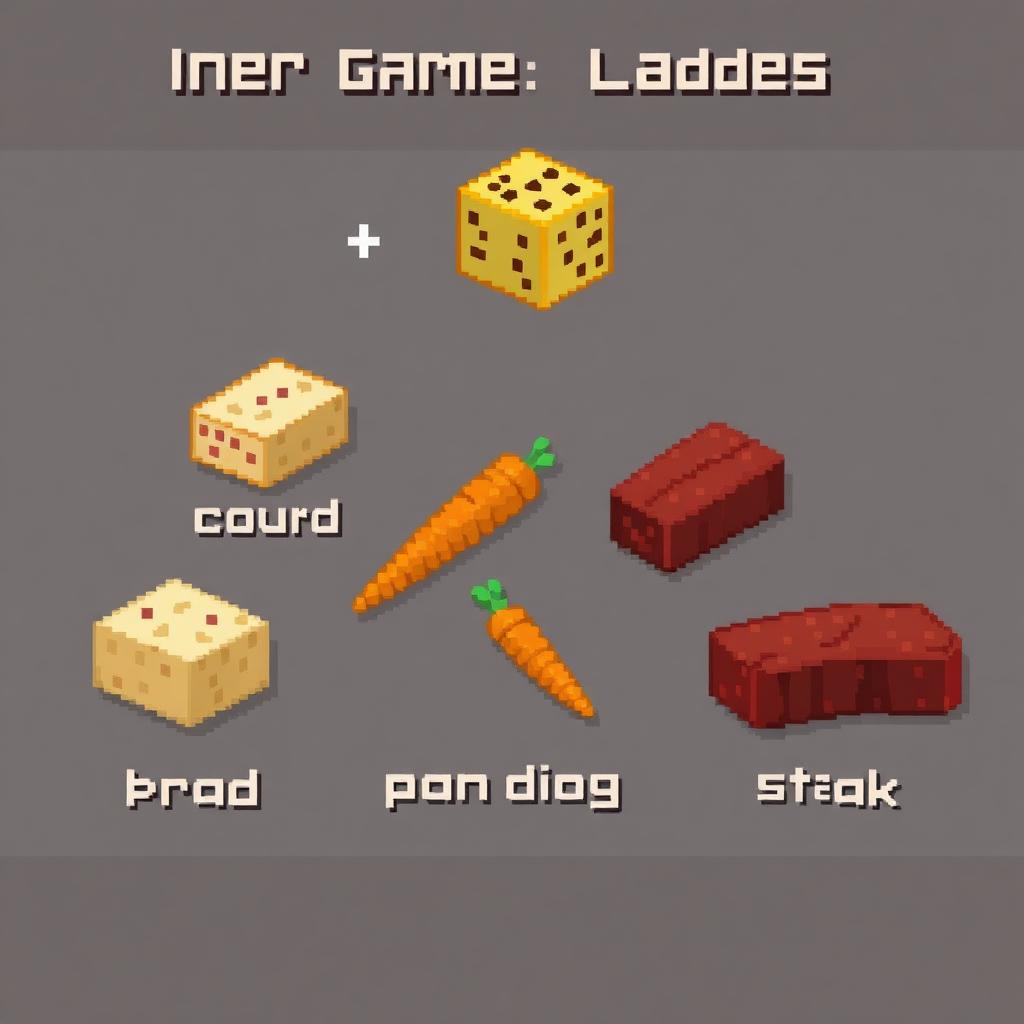
Early Game Food Ladder
Introduction
Build a Food Supply Before Upgrading It
A practical food ladder starts with accessible plants, establishes renewable crops, and then adds cooked meat. Golden carrots are a later convenience, not an early survival requirement. Keep your previous food source running until the next one produces a surplus: eating your last wheat or slaughtering your last breeding cow can undo several days of progress.
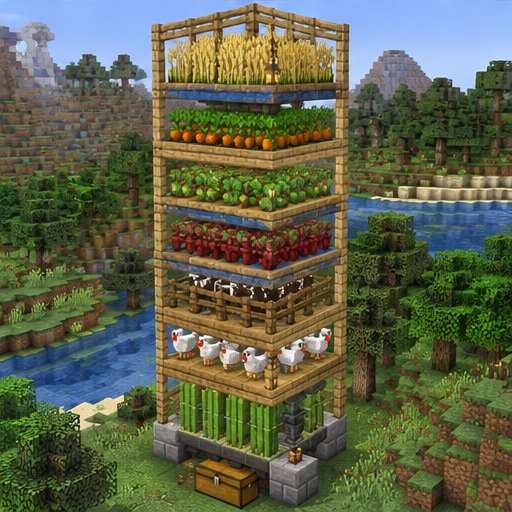
This guide suits modern vanilla Java and Bedrock survival. Basic farming and animal breeding work in both, but villager trading, automated collection, and server-modified growth can differ. No exploit or automatic farm is required.
Understand What Each Upgrade Provides
Hunger is the visible food bar; saturation is a hidden reserve consumed before hunger falls. Sweet berries restore 2 hunger points, bread restores 5, cooked beef and cooked porkchops restore 8, and golden carrots restore 6. There are 20 hunger points in a full bar. Golden carrots provide more saturation than these alternatives, despite restoring less visible hunger than cooked meat.
Use berries for small top-ups near home and carry bread or meat for travel. Food supports natural healing, but healing rules differ between editions and can be disabled by world settings. Eating is not an instant replacement for shelter when injured.
Materials and Layout
Collect sweet berries if you find a taiga-type biome, wheat seeds from grass, and carrots when available from village crops or loot. You also need a hoe, a water bucket when you can obtain three iron ingots, fences with a gate, and access to two cows or pigs. Start beside natural water if you cannot craft a bucket yet.
A smoker requires one furnace and four logs, wood blocks, or their stripped variants; planks do not substitute for those four ingredients. A furnace costs eight cobblestone. Keep fuel and raw-food storage beside the cooking station. Place crops, berry bushes, and animal pens in separate areas connected by clear paths.
Step-by-Step Food Progression
Step 1: Establish emergency food without forcing a berry hunt. Plant found sweet berries on dirt or grass beside your shelter. Harvest mature bushes with the use control rather than breaking them. Mature bushes remain planted and regrow, but walking through developed bushes slows and damages most entities, including players. Harvest from an adjacent clear path; keep bushes away from gates and escape routes. If berries are unavailable, start with wheat and safely obtained cooked food instead.
Step 2: Prepare a small irrigated crop plot. One water source can hydrate farmland up to four blocks away horizontally, including diagonally, at the farmland's level or one block above it. A central source therefore supports a 9-by-9 square with 80 farmland blocks around the water. You need not plant all 80 immediately. Till only what you can seed, provide light, and avoid jumping onto farmland. Fence the plot to reduce mob interference.
Step 3: Harvest wheat only when mature, then replant before crafting food. Three wheat make one bread. Save some wheat for breeding rather than converting every harvest. Crops need adequate light to grow; provide block light for nighttime growth rather than relying only on daylight. Growth also requires the area to receive normal world ticking, so distant farms will not reliably mature while you explore elsewhere.
Step 4: Start carrots as a second crop when you find them. Unlike wheat, carrots are both the harvested food and the planting item. Reserve enough to replant before eating or breeding pigs. Keep wheat even after carrots become established: carrots cannot breed cows, and wheat remains useful for bread and cattle.
Step 5: Build a secure pen before collecting animals. A small fenced enclosure, such as a 5-by-5 interior, is enough for a starter pair and offspring, but expand before it becomes crowded. Lure cows with wheat or pigs with carrots, potatoes, or beetroots. Close the gate before switching items. Avoid an overcrowded single-block design: Java entity cramming and server settings can make cramped holding cells unsafe.
Step 6: Feed two adult cows one wheat each, or two adult pigs one suitable breeding item each. After breeding, parents normally have a five-minute cooldown, and babies take about twenty minutes to mature while their area is ticking. Feeding babies their appropriate food speeds growth but consumes your crop surplus. Keep at least two adults permanently and slaughter only surplus grown animals. Cows are especially useful because they also supply leather.
Step 7: Cook raw beef or porkchops in the smoker. It cooks food twice as fast as a furnace but consumes fuel twice as quickly while operating, so it does not improve food cooked per fuel item. One coal or charcoal normally cooks eight food items when used continuously. Batch cooking helps avoid wasting a partially burned fuel item. Keep a furnace if you cannot yet afford the smoker; the resulting food is identical.
Step 8: Upgrade selectively to golden carrots. Crafting one requires one carrot surrounded by eight gold nuggets. This is expensive for a developing world, so do not divert essential resources merely to replace reliable steak. Master-level farmers can offer golden carrots under standard modern trading rules, but verify the actual offers in your edition, version, and server configuration before investing. If trading differs or gold is scarce, cooked beef and pork remain excellent long-term foods.
Troubleshooting and Safe Validation
If crops stall, check maturity, light, hydration, and whether you have stayed nearby long enough. If animals will not breed, confirm both are adults, their cooldown has elapsed, and you are using the correct food. If the smoker stops, check its fuel and output slot.
Validate one complete harvest, replanting, breeding, and cooking cycle before expanding. Light and secure the working area, label seed and breeding reserves, and add storage before production overwhelms it. If you later add automation, test it in a separate creative copy on the same edition and version; manual harvesting and ordinary pens remain the dependable fallback.
Please support us by visiting one of our partners: Amazon